
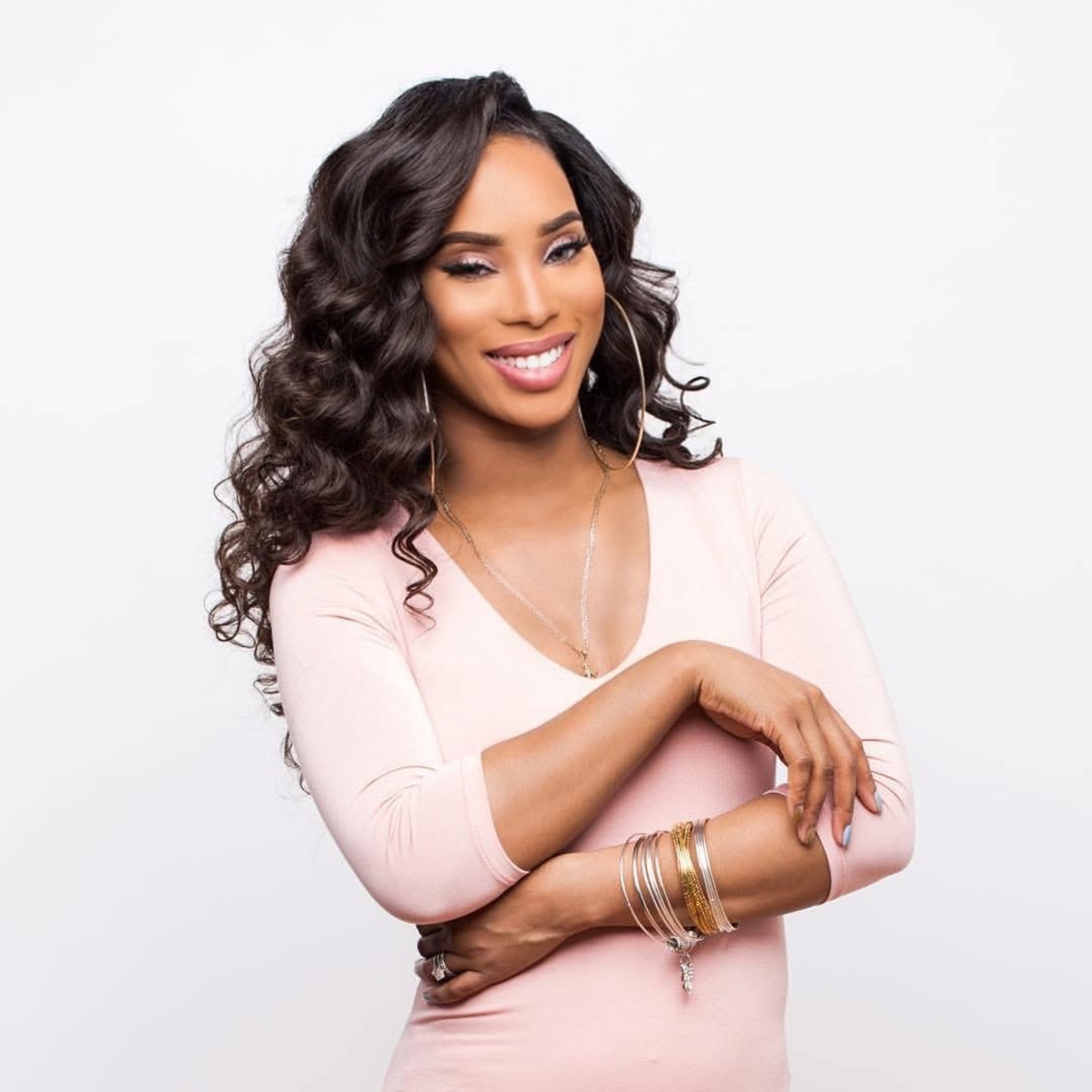

Mentorship doesn’t just change careers. It changes confidence, direction, and belief. When women invest in one another, the impact reaches far beyond the individual. It reshapes work culture itself.
The days of gatekeeping are fading fast, thanks to many shifting away from the idea that success is scarce or that there is only room for one. From how to negotiate salaries to what to wear to an interview, mentorship is changing the way women show up to the workplace— and we are totally here for it!
I had the pleasure of connecting with Bethny Ricks— a powerhouse executive coach and speaker with two decades of experience leading global teams— about the importance of mentors and how intentional guidance can lead to growth. Read our conversation with the former global HR executive about how mentorship helped her break barriers and achieve her career goals.

BrownStyle Magazine: As someone who has experienced being (and having) a mentor, I couldn’t be more grateful for the camaraderie. How has mentorship shown up in your career, and why did it matter at that stage?
Bethny Ricks: “Early on, mentorship gave me language. Later, it gave me leverage. As a mid-level leader, I needed help interpreting the room. As an executive, I needed insight into how decisions were actually made before they were announced. Mentorship mattered most when it shifted from encouragement to strategic exposure.
A mentor once told me, ‘Your job is not to be impressive, but to be indispensable.’ That reframed how I viewed presence, entered revenue conversations, and even how I negotiated my compensation.”
BSM: That’s powerful. Have you experienced advocacy through mentorship?
BR: “Yes! My former boss named me as her successor when I was 31, making me one of the youngest Black executives in the country at the time and the only minority executive in the company. Through that, I learned that advocacy at the executive level is not praise, but risk transfer.
Real advocacy is when someone puts their reputation on the line for your readiness. When someone stakes their credibility on you, it changes how fast trust compounds.”
BSM: It seems like uncertainty softens when someone who has already navigated the terrain affirms that the path ahead is attainable and worth pursuing. What impact would stronger mentorship have on the next generation?
BR: “It would normalize executive presence earlier and reduce the time Women of Color spend decoding rooms they were invited into late. It would also expand who is seen as the default leadership. Mentorship does not just build careers; at scale, it alters succession.
Women like me, and those before us, must make ourselves available through podcasts, university panels, business conferences, and executive forums. We must speak into the hard, acknowledge the truth, and offer a solution. There is a solution to any people dynamic when you understand leverage, positioning, and strategy.”
BSM: Although mentorship has evolved, there are some gaps. What would you like to see change in the next five years?
BR: “We overemphasize mentorship and underinvest in sponsorship. Mentorship develops skill, sponsorship deploys it. Ultimately, the real gap is not preparation, but endorsement at the highest level. C-suite. Board level. Leaders of influence who are willing to say your name when you are not present.
Over my 24+ years in corporate America and now as a consultant, I noticed that Women of Color are often developed but not deployed. This is where advancement stalls. Preparation without placement keeps talent waiting.”

BSM: One of my most impactful mentors was only a few years my senior, yet she took me under her wing. She highlighted projects for me to hone my skills and spoke my name in rooms I wasn’t yet in, which became a catalyst for my career in media and marketing. What advice do you have for Women of Color seeking mentorship?
BR: “We must stop seeking proximity to titles and start seeking proximity to decision-makers. This requires paying attention to who controls budgets, timing, and access, but also asking different questions of leaders with influence. Not ‘how did you get here?’” but “what risks did you take that others did not see?’
Some of the most valuable insights I gained came from cross-functional executives or experts outside of my corporation who had nothing to gain by mentoring me. That neutrality allowed honesty.
For Women of Color, informal executive networks can be more instructive than formal programs. I am a proud graduate of the African American Leadership Academy, founded by Donna James. She was outside of my organization, but this mentorship program led not only to my promotions but also to expanded board exposure, strategic relationships, and a deeper understanding of how influence operates at scale. That kind of mentorship changes trajectory, not just title.”
Editor’s Note: This story has been edited and condensed for clarity.

